
Understanding the psychological triggers that drive gambling behavior in casinos
The allure of risk and reward
The excitement of gambling largely stems from the psychological interplay between risk and reward. Players are often drawn to the potential for significant monetary gain, which can create a powerful incentive to engage in gambling behavior. This desire is often heightened by the thrill of uncertainty, as individuals cannot predict the outcome of their bets. In this context, many choose to play aviator, as the potential for winning big can lead to a rush of adrenaline, which many find irresistible.
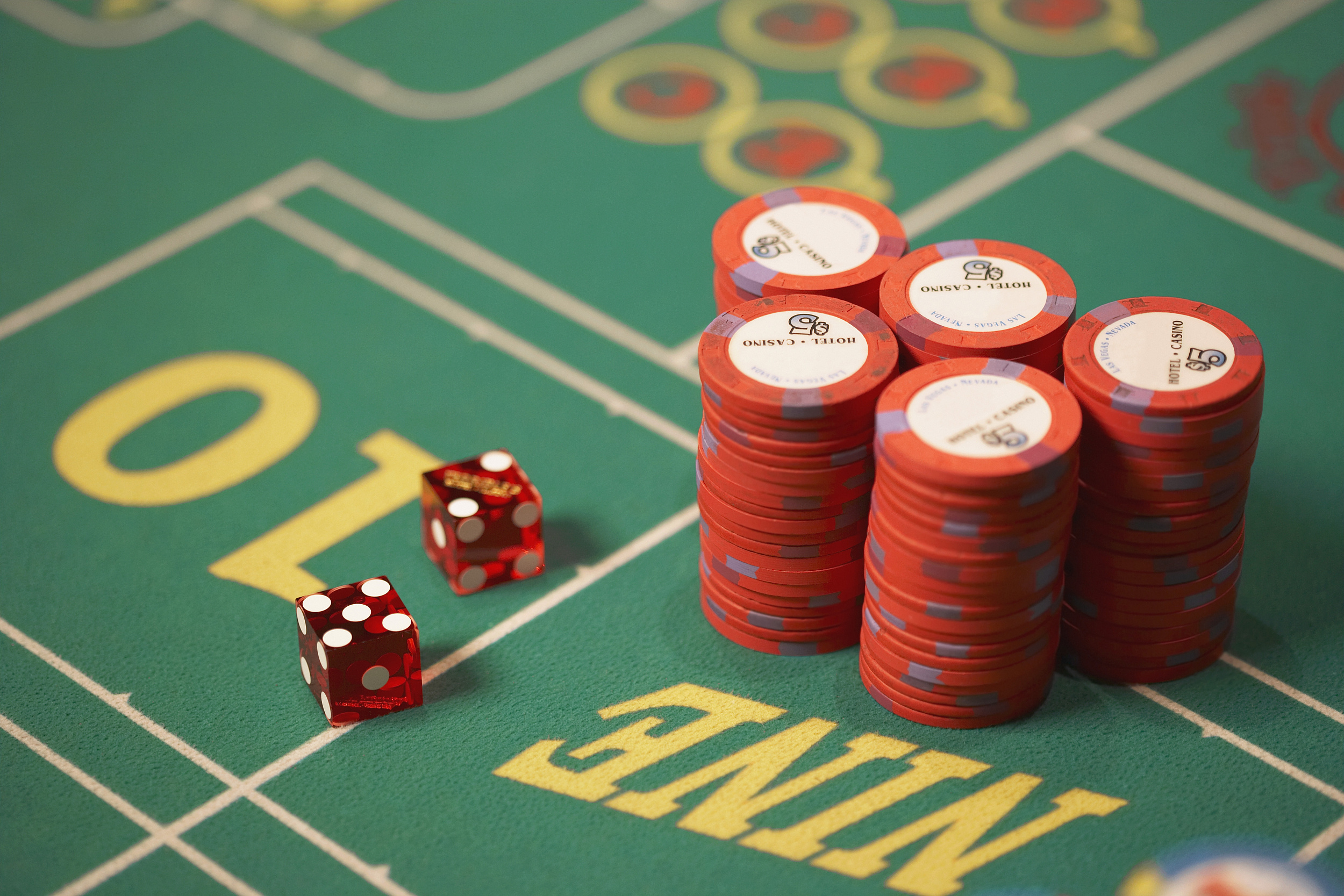
This psychological arousal can result in a cycle of behavior where the more a person plays, the more they crave that euphoric feeling associated with winning. It is essential to recognize that this connection can lead to compulsive gambling habits, where individuals continue to chase losses in hopes of recapturing that initial high, often leading to detrimental financial and emotional consequences.
The role of social influence
Social dynamics significantly impact gambling behavior, especially within casino environments. Being surrounded by other players can enhance the excitement and foster a communal atmosphere that encourages participation. The presence of friends or even strangers can create a sense of competition, making individuals more likely to gamble than they might if they were alone.
Additionally, social proof plays a crucial role in gambling. When individuals observe others winning or enjoying themselves, they may feel compelled to join in, believing that luck is in the air. This collective enthusiasm can amplify gambling behaviors, leading to higher stakes and riskier bets as players feed off each other’s energy.
The impact of environment and design
The physical layout and design of casinos are meticulously crafted to enhance the gambling experience. Bright lights, engaging sounds, and alluring decorations are strategically used to create an inviting atmosphere that encourages prolonged play. The design often includes features that minimize the awareness of time, such as the absence of windows and clocks, which can lead players to lose track of how long they have been gambling.
Moreover, the arrangement of games can influence behavior. For instance, high-stakes tables are often placed near entrance points to draw in potential gamblers. Such environmental cues can trigger impulsive decisions, compelling individuals to take risks they might not consider in a different setting.
The psychological effects of wins and losses
The psychology of gambling involves complex emotional responses to wins and losses. Winning, even if only occasionally, reinforces the behavior by providing a sense of achievement. This can create a cycle where individuals become conditioned to seek that reward more frequently, often disregarding the losses they incur along the way.
Conversely, losses can evoke a strong emotional response, leading to feelings of disappointment or frustration. This reaction can trigger a phenomenon known as “loss chasing,” where individuals continue to gamble in hopes of recovering their lost money. Understanding these emotional triggers is essential for recognizing the potential for developing unhealthy gambling habits.

Learn more about responsible gambling
For those interested in understanding more about gambling behavior and its psychological underpinnings, our website offers extensive resources and guidance. We aim to promote responsible gambling practices and provide educational materials that help individuals make informed decisions when it comes to gambling.
By exploring the various psychological triggers and the impact of environment on gambling behavior, we hope to foster awareness and support for those who might be struggling with gambling-related issues. Our commitment is to create a safe space for discussion and education on this important topic.