
The Psychology of Gambling
Casinos employ a range of psychological tactics designed to keep players engaged and coming back for more. One of the key strategies is the use of visually appealing environments, complete with bright lights and sounds that create an atmosphere of excitement, especially when players consider options such as casino slots online real money. This sensory overload can lead to a state of euphoria, making players less aware of their spending and the actual odds of winning.
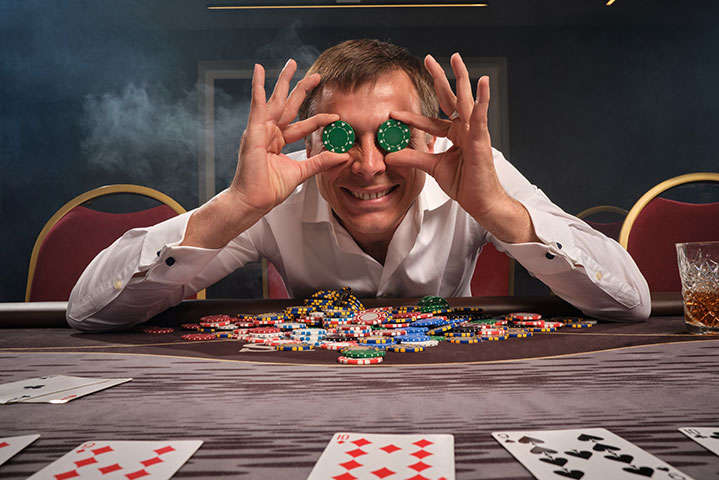
Additionally, casinos often utilize the concept of near-misses to entice players. When individuals seemingly come close to winning, their brains release dopamine, similar to what is triggered by actual wins. This phenomenon reinforces the players’ behavior, making them believe that they are on the brink of a big win, thus encouraging them to keep playing despite the unfavorable odds.
Algorithms Behind the Games
Modern casinos leverage sophisticated algorithms to manipulate game odds in their favor. These algorithms are meticulously designed to ensure that the house always has a slight edge over players. For example, in slot machines, the random number generators (RNGs) ensure that the outcomes are completely random but are calibrated to return a specific percentage of the wagered amount over time, often referred to as the payout percentage. This means that while players may experience small wins, the overall odds heavily favor the casino.
By setting these parameters, casinos create a scenario where players may feel they are winning more frequently, even though the reality is that they are losing money in the long run. This deceptive practice keeps players hopeful and engaged, often leading to extended gaming sessions.
The Role of Comp Programs
Casinos frequently implement comp programs as a strategy to enhance customer loyalty and encourage continued play. These programs offer perks like free meals, hotel stays, and access to exclusive events based on players’ spending levels. While players may perceive these rewards as a sign of appreciation, they also serve as a marketing tool designed to keep individuals betting more. By incentivizing players to stay longer and spend more, comp programs create a sense of investment in the casino experience.
This clever manipulation of psychology ensures that players feel valued, even as the house maintains its advantage. Gamblers may rationalize their losses because they are receiving “free” rewards, even as they pour money into machines or table games.
The Illusion of Control
Another tactic used by casinos to keep players engaged is the illusion of control. This is particularly evident in games like craps or poker, where players feel that their decisions directly impact the outcome. This perceived empowerment can lead to a greater emotional investment in the game, as players believe they can influence their chances of winning.
However, this sense of control is largely a mirage, as the fundamental odds are still stacked against them. The realization that luck, rather than skill, is the dominating factor in most casino games can be a sobering truth. Nonetheless, casinos capitalize on this illusion, ensuring that players remain captivated by the games, often leading to longer sessions and higher losses.

Join the Movement for Awareness
Understanding the methods that casinos use to manipulate odds is essential for promoting awareness about responsible gambling. Knowledge is a powerful tool in preventing the potential pitfalls of gambling addiction and can empower individuals to make informed choices. Websites like Liberationist.org aim to foster this awareness, providing insights into the broader implications of gambling within society.
By engaging with such platforms, individuals can learn about the risks associated with gambling and the importance of advocating for safer practices in the industry. Together, we can create a culture of informed decision-making that prioritizes transparency and social responsibility within the realm of gambling, ultimately fostering a healthier relationship with entertainment and risk.